
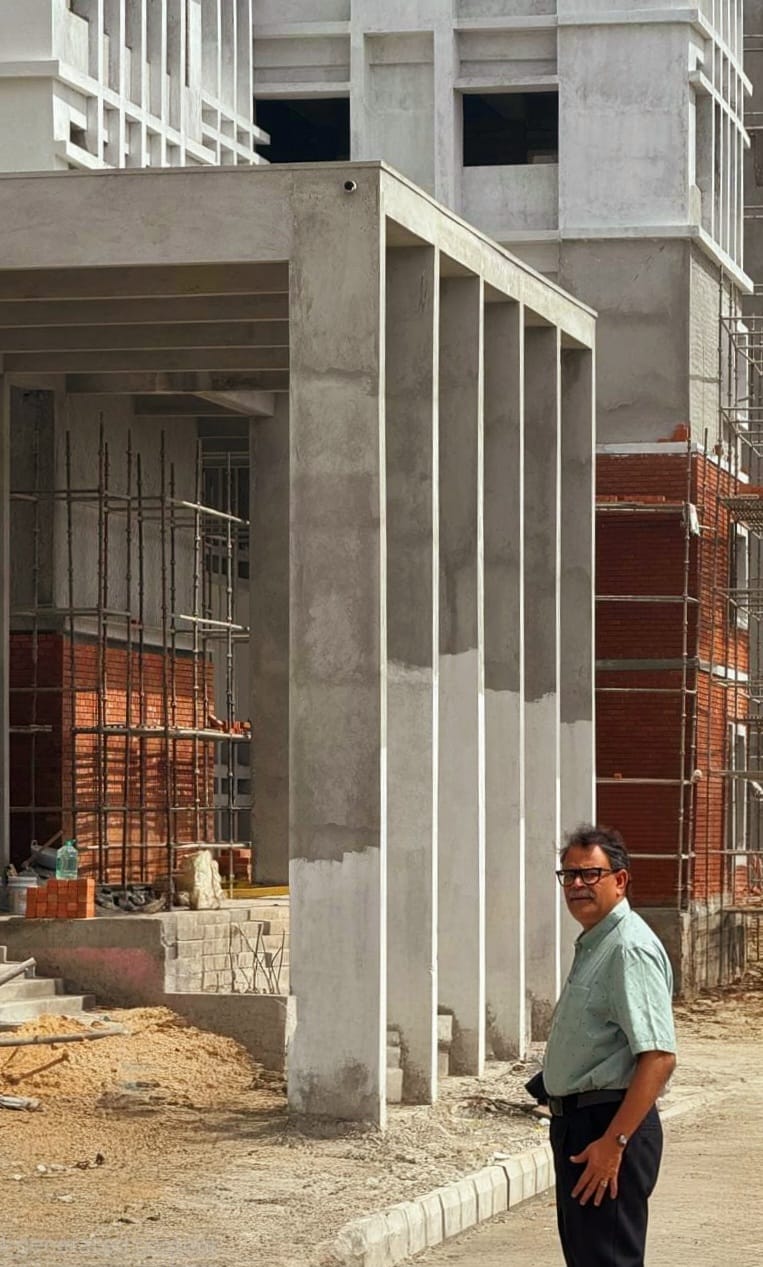
Recently, I was listening to a podcast featuring one of my professors and another senior architect. His daughter, who is also an architect, was part of the conversation as well. The discussion was about a subject that has become increasingly contentious: how should architecture be taught in colleges today?
I am not sure there is a definitive answer to that question. Perhaps the answer itself is something of a mirage.
I remember one of my professors once saying something that has stayed with me: “Students come to universities to get a degree, and professors go to universities to teach the subject.” Perhaps this conundrum is at the root of much of what is wrong with architectural education today.
Architecture, unlike many other disciplines, demands a fundamentally different approach to teaching. If we look at the curriculum of most architecture schools today, we find considerable emphasis on the technical and managerial aspects of the profession—engineering drawing, building materials, construction, project management, building management, professional practice and so on.
All of these are important. But I often wonder whether we are teaching them at the right time.
Architecture, at its heart, is not simply about making buildings stand. It is about understanding people, their behaviour, their emotions, and their relationship with space. And that relationship is far more complex than any technical curriculum can explain.
Perhaps the first three years of architectural education should be spent almost entirely exploring the human psyche and its relationship with space.
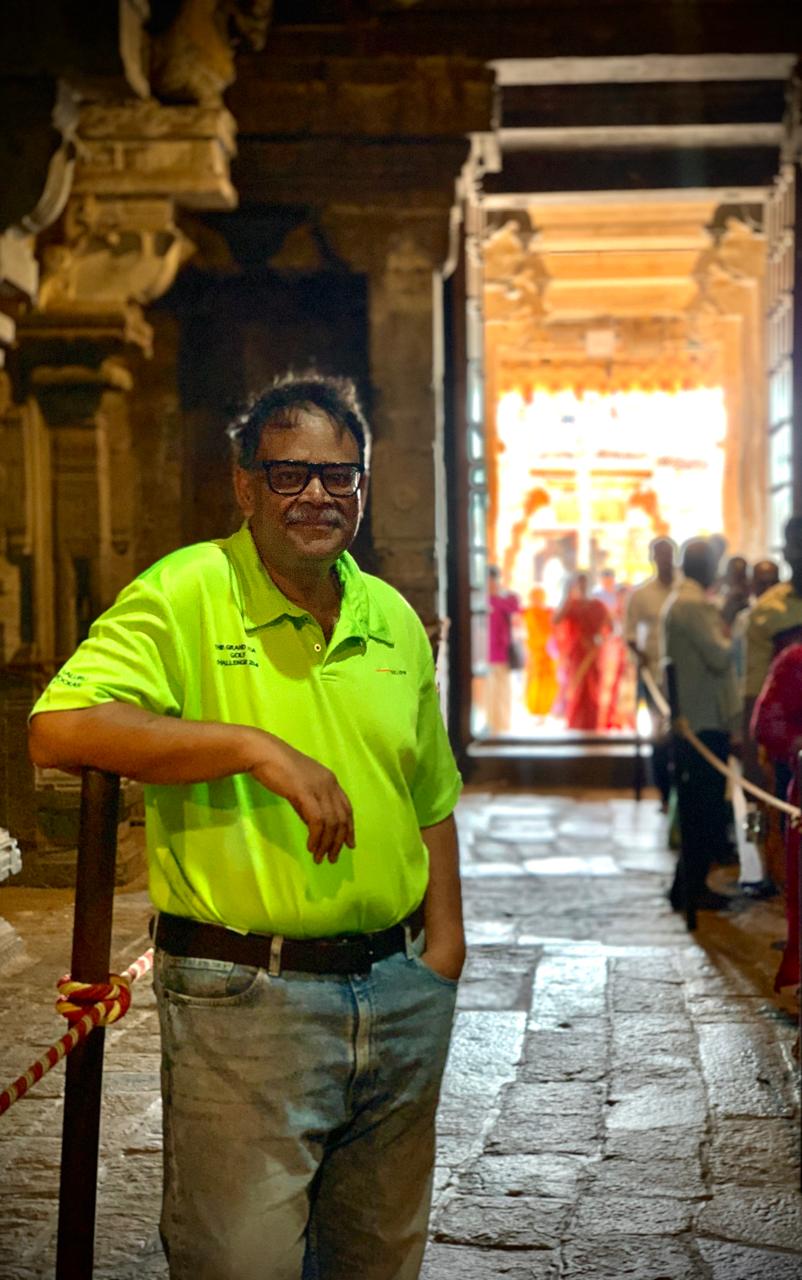
A young mind should be allowed to wander—to observe, question, experiment and discover. Students should be encouraged to understand why certain spaces make us feel comfortable, why others make us anxious, why a particular proportion feels intimate, why a courtyard can create a sense of community, why a dark corridor can evoke anticipation, or why a seemingly insignificant threshold can alter the way we experience an entire building.
These discoveries cannot simply be taught.
I don’t believe a student needs to understand in their first year how a building stands, how much it costs to construct, or how a project is professionally managed. Those things matter enormously, but they are tools. They should support architecture, not become the definition of it.
First, we need to allow young minds to discover what architecture means to them.
Each student will inevitably arrive at a different understanding of the relationship between the human mind and space. There will be different interpretations, different sensitivities, and that’s how different yet good architects will emerge.
And perhaps those who never find that relationship may eventually discover that architecture simply isn’t for them.
That, too, is a valuable discovery.
Only after developing this understanding (read: the ones who press on with their learning) should we begin orienting students towards the engineering and practical disciplines required to make their ideas real.
I consider myself incredibly fortunate in this regard.
During my five years of architectural education, I had the opportunity to interact with several senior architects. I was exposed to a completely different way of thinking—not just about buildings, but about the people who inhabit them. I watched them explore the relationship between the human mind and the spaces they created.
That exposure changed the way I understood architecture.

And yet, in most architectural colleges, we begin with engineering drawing. We move into building materials, construction, professional practice and management. We teach students how to produce and execute buildings before giving them enough time to understand why spaces should exist the way they do in the first place.
Perhaps we have confused the profession of architecture with the education of an architect.
I remember a senior architect once telling me something that has stayed with me:
“I can’t teach you architecture. But you can certainly learn it from me.”
Perhaps that is what architectural education needs today.
Not more people trying to teach architecture, but more people creating environments in which students can learn architecture.
Because architecture may not be something that can truly be taught.
It may only be something that can be observed, experienced, questioned, and eventually discovered.
Join the conversation.
React and leave a comment — sign in with GitHub to add yours.