
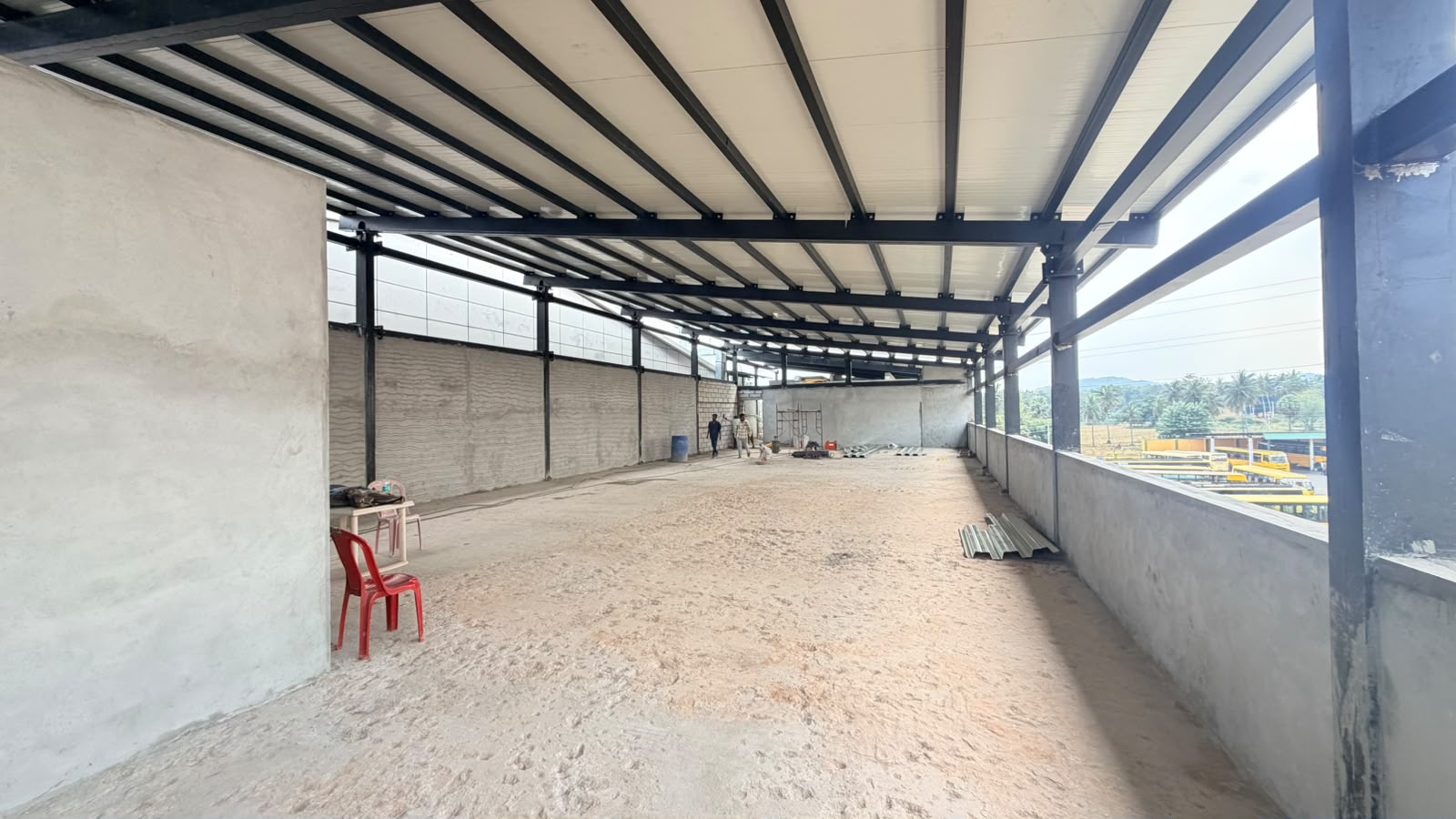
India is building faster than almost any country on earth. NITI Aayog estimates that 86% of the buildings India will have in 2070 do not exist yet. That number is usually read as an opportunity to build better. We read it as a warning too: every new building begins life with a carbon debt, and we cannot afford to keep demolishing the 14% we already have.
At Kumar & Swamy, we have been designing schools, campuses and institutions in Bengaluru since 1969. Over three generations, the question clients ask us has slowly changed. It used to be what should we build? Increasingly, it is what can we do with what we already have? We think that is exactly the right question.
What adaptive reuse actually means
Adaptive reuse means giving an existing building a new life and, often, a new purpose. A mill becomes a library. A bungalow becomes a preschool. A tired 1980s office block becomes a set of light-filled studios.
It sits between two more familiar options:
- Restoration returns a building to how it once was, usually for heritage reasons.
- Demolish and rebuild clears the site and starts again.
- Adaptive reuse keeps what is valuable, usually the structure and the character, and changes what needs to change.
It is not only for grand heritage buildings. Some of the best candidates are ordinary: sound concrete frames from the 1970s to the 2000s that simply no longer fit how people learn, work or gather.
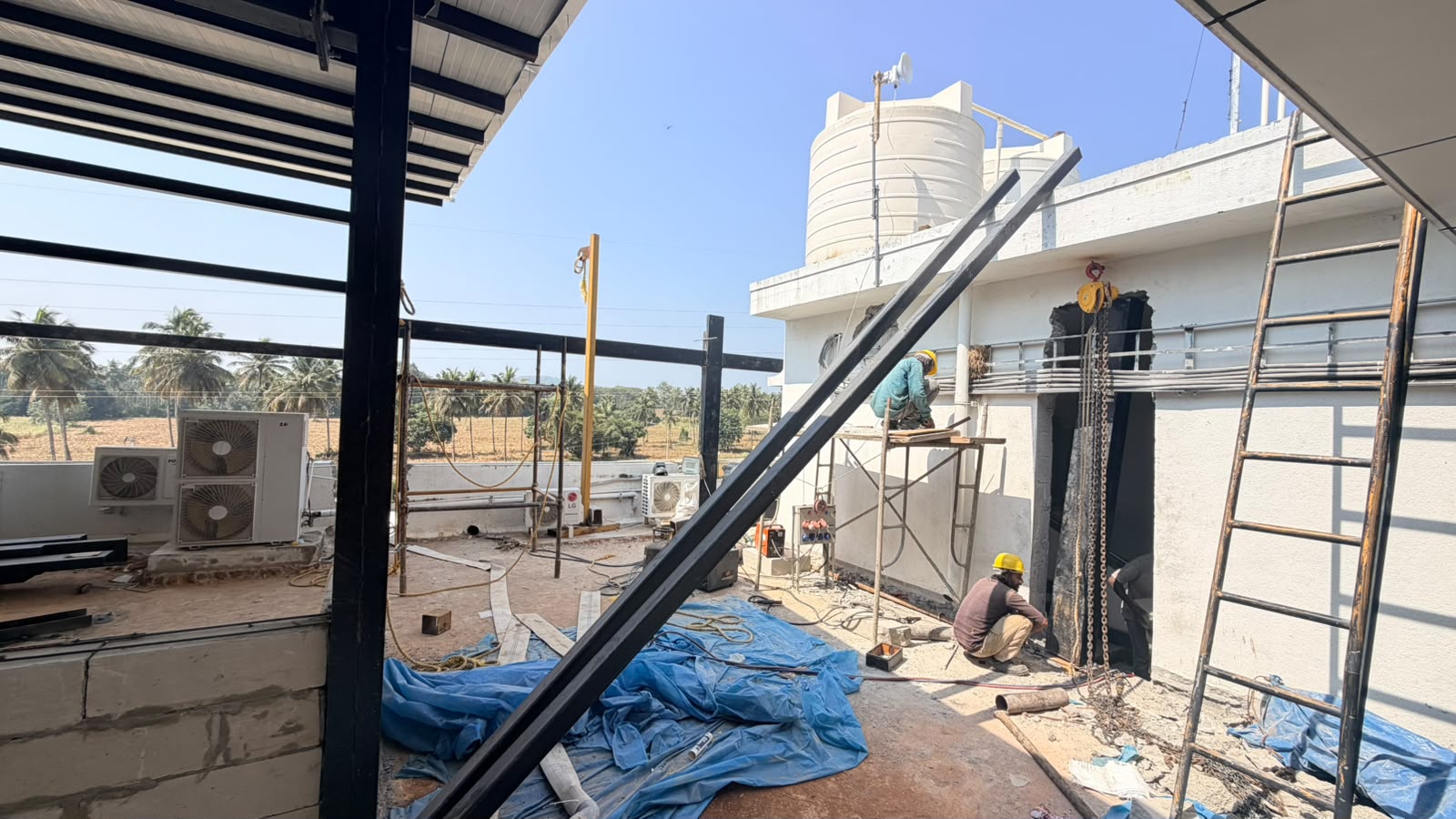
Why India needs it more every year
1. Half the sector's carbon is locked in before anyone moves in. Buildings account for about 30% of India's greenhouse gas emissions, and NITI Aayog's 2026 buildings report finds operational and embodied emissions contribute almost equally. Embodied carbon comes from making and moving cement, steel, brick and glass. Indian buildings already emit close to 500 million tonnes of CO2 a year this way. Keeping a structure standing avoids most of it.
2. New and efficient is not automatically green. A landmark US study, The Greenest Building, found that reuse almost always beats demolition and new construction. A new energy-efficient building can take 10 to 80 years to make up for the carbon spent building it. In a decade that matters this much for climate, that is a long wait.
3. We throw away a staggering amount of material. India generates an estimated 150 million tonnes of construction and demolition waste a year, and only about 1% is recycled. Demolition produces roughly ten times more waste per square metre than construction. Much of the rest ends up on roadsides and in lakes, something Bengaluru knows well.
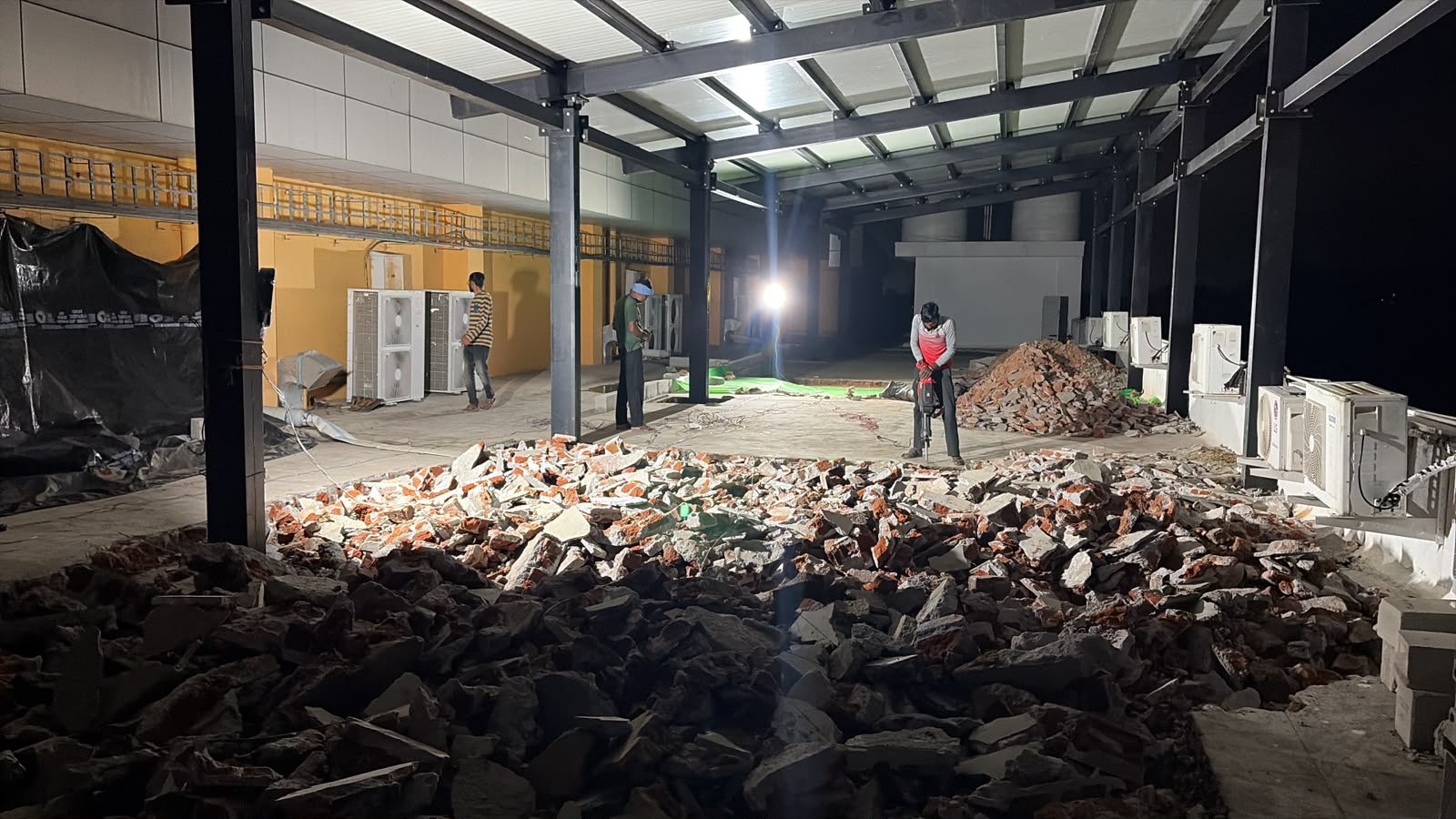
4. Sand, land and time are running short. India uses more than 700 million tonnes of sand a year, much of it mined from rivers. In dense cities, land is the most expensive line in any budget. Reusing a building on a site you already own saves both, and often months on the programme.
5. Our cities are losing their memory. Every demolished school, bungalow or mill takes a piece of a neighbourhood's story with it. Reuse lets a city grow without forgetting itself.
The policy wind is shifting
For years, Indian green building policy focused almost entirely on operational energy: efficient lights, better glass, star-rated air conditioners. That is changing.
- NITI Aayog's net-zero pathway for buildings, published in February 2026, calls for regulating embodied carbon in cement and steel and scaling a circular economy for construction waste.
- The Construction and Demolition Waste Management Rules, 2025 took effect on 1 April 2026. Projects above 20,000 sq m of built-up area are now expected to use processed C&D material.
- Heritage and public-private reuse is gaining official support. A PHDCCI–KPMG report urged adaptive reuse of historic buildings through PPP models.
- Clients and funders are asking for lifecycle carbon numbers as ESG reporting matures, especially for institutional and corporate campuses.
The direction is clear. Within a few years, the carbon already locked into an existing building will be counted, not ignored.
Why schools and campuses are ideal candidates
Educational and institutional buildings are some of the best places to start, and they are where most of our work lives.
- They are built to last. Institutional frames are usually generous, with wide spans, high floors and robust structure. They adapt well.
- Campuses grow in layers. A school founded in the 1980s may now hold five generations of buildings. Some are underused, some are in the wrong place, few need to be torn down.
- Needs change faster than buildings. Smaller class sizes, labs, maker spaces, counselling rooms, accessibility and updated CBSE and NBC requirements can often be met by reworking existing space.
- The building becomes the lesson. A school that visibly chose to keep and renew its old block teaches sustainability more convincingly than any poster.
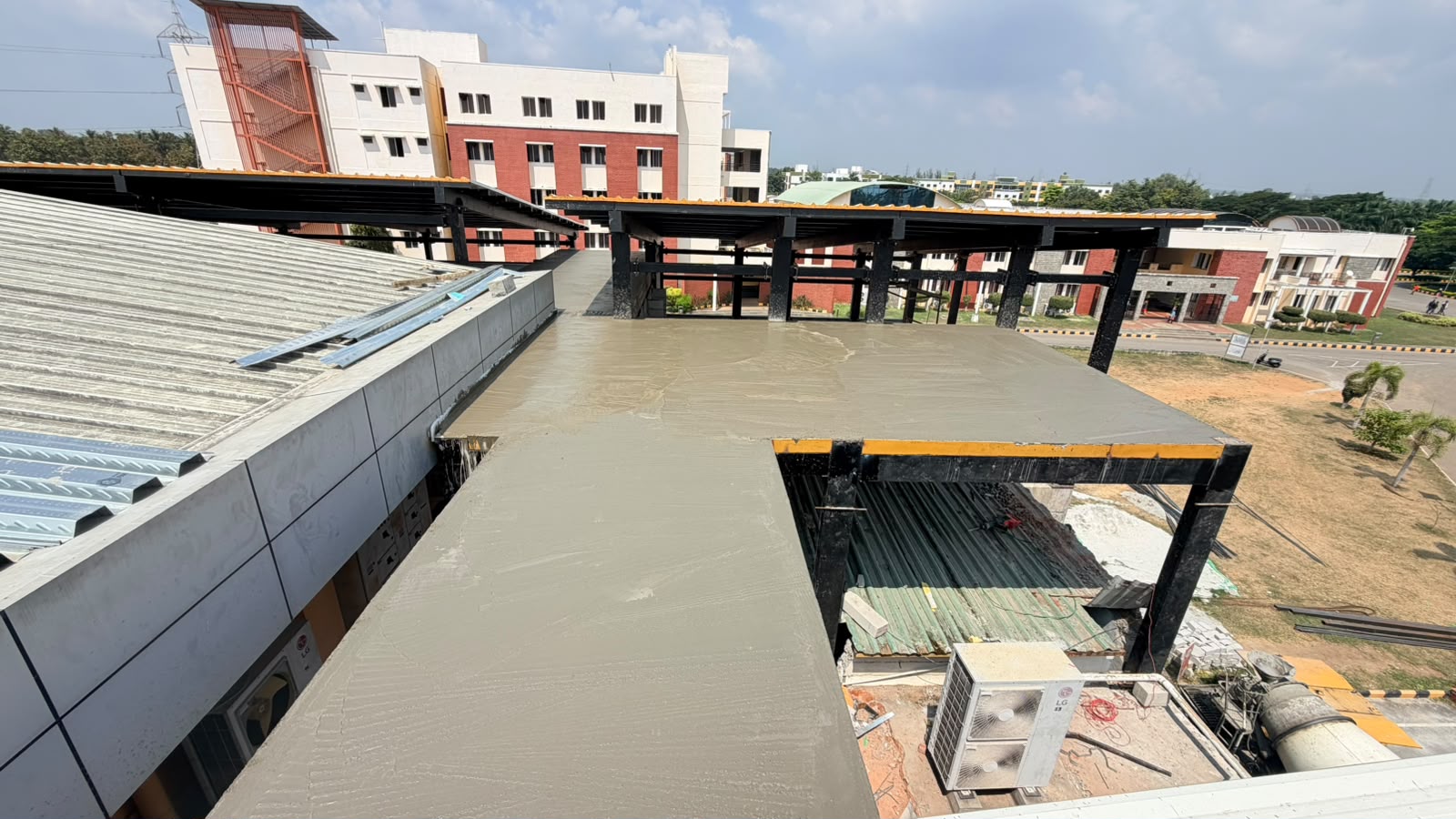
It isn't always easy, and we won't pretend it is
Adaptive reuse asks more of everyone involved. The common hurdles:
- Codes written for new buildings. Fire, structural and accessibility norms rarely have a clear path for existing structures, so approvals take patience and careful documentation.
- Unknowns in the structure. Old drawings are often missing or wrong. A proper condition survey and structural assessment are non-negotiable before any promise is made.
- The perception of cost. Reuse is not always cheaper upfront. But once demolition, debris removal, new foundations, time and carbon are counted, the comparison usually shifts.
- A cultural preference for the new. Many of us grew up believing a new building signals progress. Changing that takes good examples, not lectures.
None of these are reasons to demolish by default. They are reasons to bring the architect, engineer and client together early.
How we approach it at Kumar & Swamy
Our starting point is simple: reuse first, demolish last. In practice, that looks like this:
- Listen to the building. We begin with a condition survey and structural assessment, so decisions rest on facts rather than first impressions.
- Map what is worth keeping. Structure, volumes, courtyards, materials, trees and the stories people attach to a place.
- Rethink the brief around the asset. Often the programme fits the existing building better than expected once we stop forcing a new one onto the site.
- Add lightly and precisely. New work goes where it earns its carbon: daylight, ventilation, accessibility, safety and the spaces that genuinely cannot fit inside.
Look again at what you already have
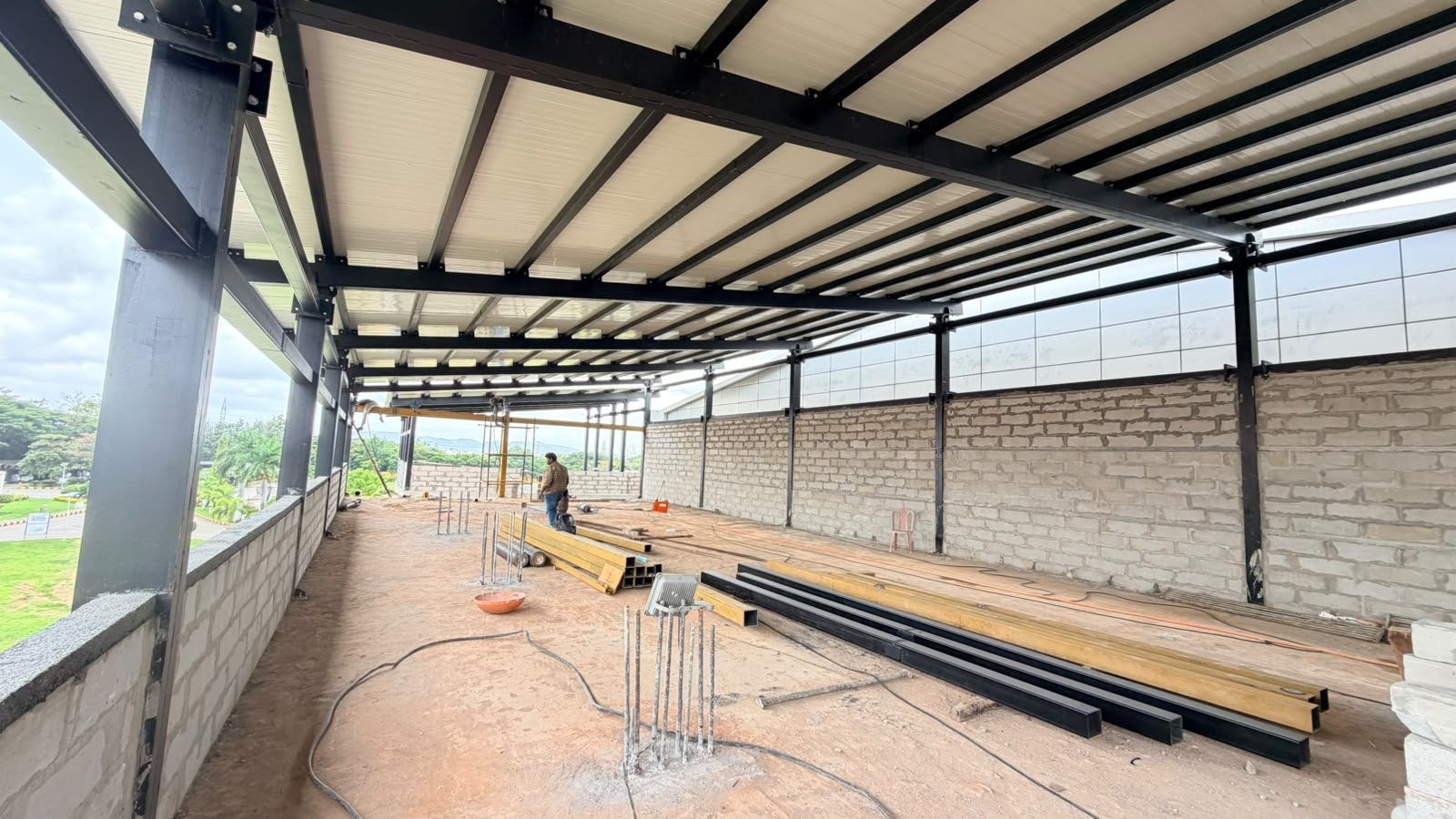
The most sustainable square metre is usually the one that already exists. Before you plan your next building, walk your campus with fresh eyes. The tired block by the gate, the hostel nobody uses, the hall that floods every monsoon may hold far more potential than an empty plot.
If you would like a second pair of eyes on a building you own, we would love to take that walk with you.
Sources
- NITI Aayog: Scenarios Towards Viksit Bharat and Net Zero – Buildings (summary, The Policy Edge, Feb 2026)
- Why India Needs To Improve Reuse Of Construction & Demolition Waste (ISignal, Jan 2026)
- The Greenest Building: Quantifying the Environmental Value of Building Reuse, executive summary (Preservation Green Lab)
- Adaptive reuse, public-private synergy can drive heritage conservation (ThePrint)
- A 150-year-old school now a performance and exhibition venue (Deccan Herald)
Join the conversation.
React and leave a comment — sign in with GitHub to add yours.