
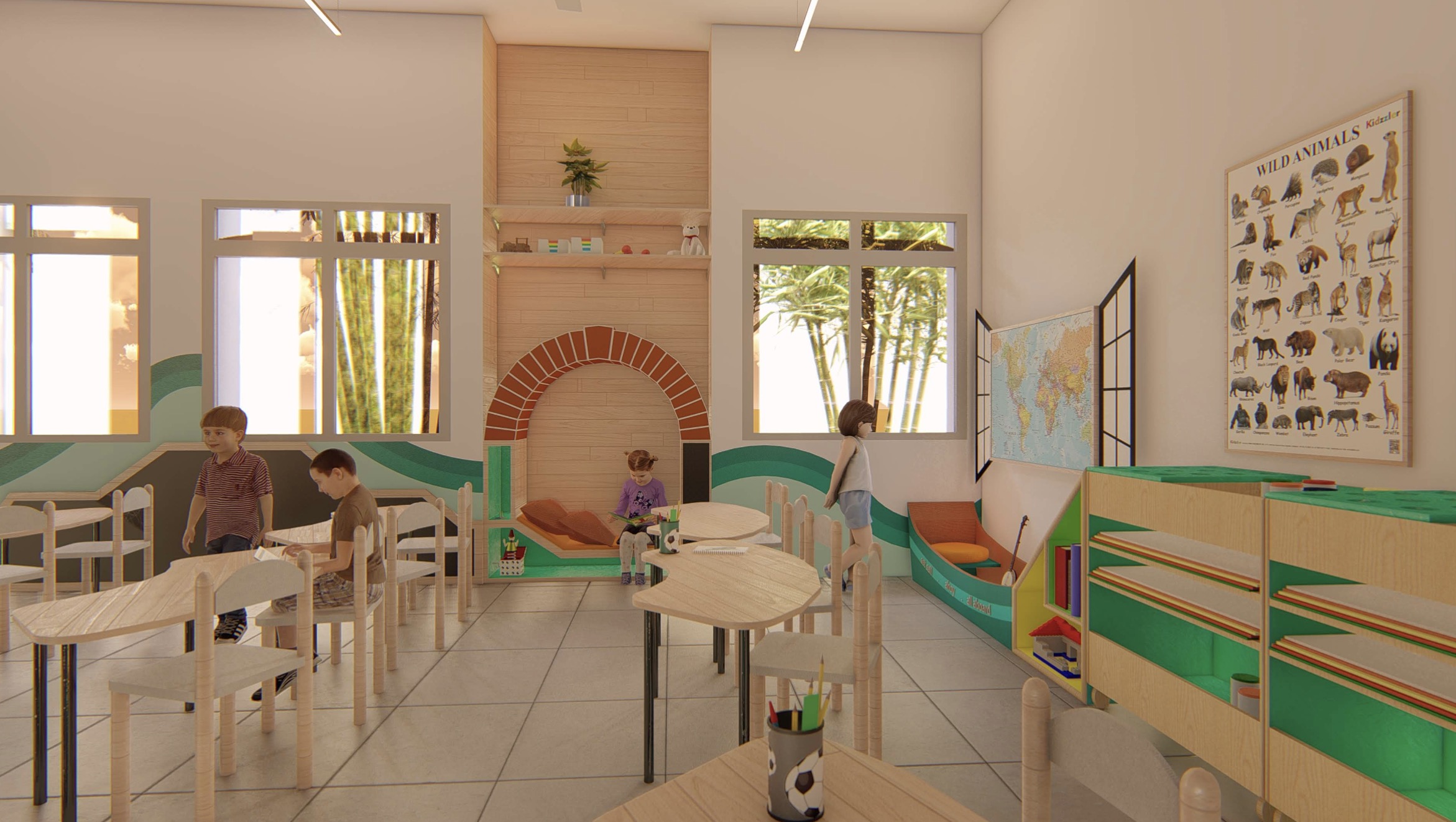
In today's rapidly evolving educational landscape, the design of learning spaces plays a crucial role in supporting diverse teaching methods and learning styles. Creating flexible and adaptable learning environments has become more important than ever as we prepare students for an increasingly dynamic future.
The Importance of Flexible Learning Spaces
Flexible learning spaces are designed to accommodate various teaching and learning activities, from individual work to collaborative projects. These environments can be quickly reconfigured to meet different pedagogical needs, promoting engagement and active learning.
Key Elements of Flexible Design
- Movable furniture that can be easily rearranged
- Modular components that support different configurations
- Multiple zones for different activities
- Integration of technology infrastructure
- Adaptable lighting and acoustics
Creating Zones for Different Learning Styles
A well-designed learning space should include various zones that cater to different learning preferences and activities:
- Collaborative spaces — areas designed for group work and discussion, featuring comfortable seating arrangements and surfaces for shared work.
- Quiet zones — designated areas for independent study and focused work, with minimal distractions and appropriate acoustic treatment.
- Active learning areas — spaces that encourage movement and hands-on learning, with room for physical activities and experiential learning.
- Technology hubs — areas equipped with digital tools and connectivity options to support digital learning and modern educational technologies.
Benefits of Flexible Learning Spaces
Implementing flexible and adaptable learning spaces offers numerous advantages:
- Increased student engagement and participation — active involvement in learning activities, greater freedom of movement and choice, more opportunities for peer-to-peer interaction, and enhanced motivation from varied learning environments.
- Enhanced collaboration and communication skills — team-working abilities in shared spaces, effective group discussion techniques, improved presentation and public speaking opportunities, and the natural development of leadership and organizational skills.
- Better accommodation of different learning styles — open, well-lit spaces with display areas for visual learners; discussion zones with good acoustics for auditory learners; hands-on activity spaces for kinesthetic learners; and quiet study corners for solitary learners.
- Improved teacher mobility and interaction — easier movement to provide individual attention, more spontaneous group discussions, the ability to monitor several activities at once, and better classroom management through strategic positioning.
- Greater adaptability to changing educational needs — quick reconfiguration for different teaching methodologies, easy integration of new technologies, flexibility for evolving class sizes, and support for emerging pedagogical approaches and curriculum changes.
Implementation Strategies
When implementing flexible learning spaces, consider these key strategies:
- Start with a pilot space to test different configurations
- Gather feedback from teachers and students regularly
- Make incremental changes based on user experience
- Provide training for teachers on utilizing the space effectively
- Regularly assess and adapt the space based on needs
Conclusion
Designing flexible and adaptable learning spaces is not just about creating aesthetically pleasing environments; it's about fostering engagement, supporting diverse learning styles, and preparing students for future success. By carefully considering the elements discussed above, educators and designers can create spaces that truly enhance the learning experience.
As we continue to evolve our understanding of effective education, our learning spaces must be able to adapt and change with us. The investment in flexible learning environments today will pay dividends in the enhanced learning outcomes of tomorrow.
Join the conversation.
React and leave a comment — sign in with GitHub to add yours.